
Shia Islam is the second largest branch of Islam, followed by hundreds of millions of Muslims around the world. It centers on the belief that Prophet Muhammad chose his cousin and son in law, Ali ibn Abi Talib, to lead the Muslim community after his passing.
This belief in divinely guided leadership, known as Imamate, shapes almost every part of Shia theology, worship, and daily practice. If you are new to the topic or simply want a clear, honest explanation, this guide walks you through the basics in plain language.
Whether you are researching for personal knowledge, academic study, or looking to deepen your own understanding of Shia Islam, this article covers the history, beliefs, practices, and global presence of the faith.
What Is Shia Islam
At its core, Shia Islam is built on the idea that leadership of the Muslim community was meant to stay within the Prophet’s family, the Ahl al-Bayt. Shia Muslims believe Ali and his descendants were appointed by divine right, not chosen by community vote.
This is the main point where Shia Islam differs from the majority Sunni tradition. Both groups share the same holy book, the Quran, and follow the same five daily prayers, but they differ on questions of leadership, religious authority, and Shia fiqh, the Islamic jurisprudence followed by Shia Muslims.
Shia Islam itself has a few branches, the largest being Twelver Shiism, followed by Ismaili and Zaydi communities. Twelvers believe in twelve Imams, the last of whom is believed to be in occultation and will return in the future.
History of Shia Islam
Understanding the history of Shia Islam helps explain why these beliefs matter so deeply to millions of families today.
Succession After Prophet Muhammad
After the Prophet’s death in 632 CE, a disagreement arose over who should lead the Muslim community. One group believed leadership should go through consultation among senior companions. The other group, who became known as Shia, believed Muhammad had already named Ali as his successor.
This disagreement was not just political. For Shia Muslims, it touched on questions of spiritual guidance and who was truly qualified to interpret the faith after the Prophet.
The Battle of Karbala
No event shaped Shia identity more than the Battle of Karbala in 680 CE. Imam Hussain, the Prophet’s grandson, was killed along with his family and companions while resisting what he saw as an unjust ruler.
This event is remembered every year during Muharram and Ashura, marked by mourning gatherings, recitations, and reflection on themes of justice and sacrifice.
Shia Islam vs Sunni Islam
People often ask about the difference between Shia Islam vs Sunni Islam, and the honest answer is that the two share far more than they differ on.
Here is a simple breakdown:
- Both follow the Quran as the central holy text
- Both pray five times daily and observe Ramadan
- Both believe in one God and the prophethood of Muhammad
- They differ mainly on leadership, with Shia Muslims emphasizing the Imamate
- Shia Islam gives additional religious weight to the sayings and example of the Ahl al Bayt
These differences influence certain practices and legal interpretations, but the foundation of faith remains shared between both communities.
Shia Prayer Method and Core Practices
The Shia prayer method follows the same basic structure as the rest of the Muslim world, five daily prayers facing the Kaaba in Mecca. A few details differ, such as combining certain prayers and the use of a turbah, a small clay tablet, during prostration.
Beyond prayer, Shia Islamic practice includes:
- Fasting during the month of Ramadan
- Paying Zakat and Khums, a form of religious tax
- Performing Hajj when possible
- Visiting the shrines of Imams and the Ahl al Bayt, known as Ziyarat
- Observing Ashura and the mourning period of Muharram
Shia Islam for Beginners
If you are just starting to learn about Shia Islam, the best approach is to begin with the basics, the five core beliefs and the ten practices, before moving into deeper historical and theological study.
Learning gradually with proper guidance, rather than piecing information together from scattered sources, makes the process far easier and more accurate.
Shia Islam Countries Including Iran and Iraq
Shia Muslims make up roughly ten to thirteen percent of the global Muslim population, with significant communities spread across many regions.
Shia Islam in Iran and Iraq represents the largest concentration, with both countries having Shia majority populations. Other countries with notable Shia communities include:
- Bahrain
- Azerbaijan
- Lebanon
- Pakistan
- India
- Parts of Saudi Arabia and the wider Gulf region
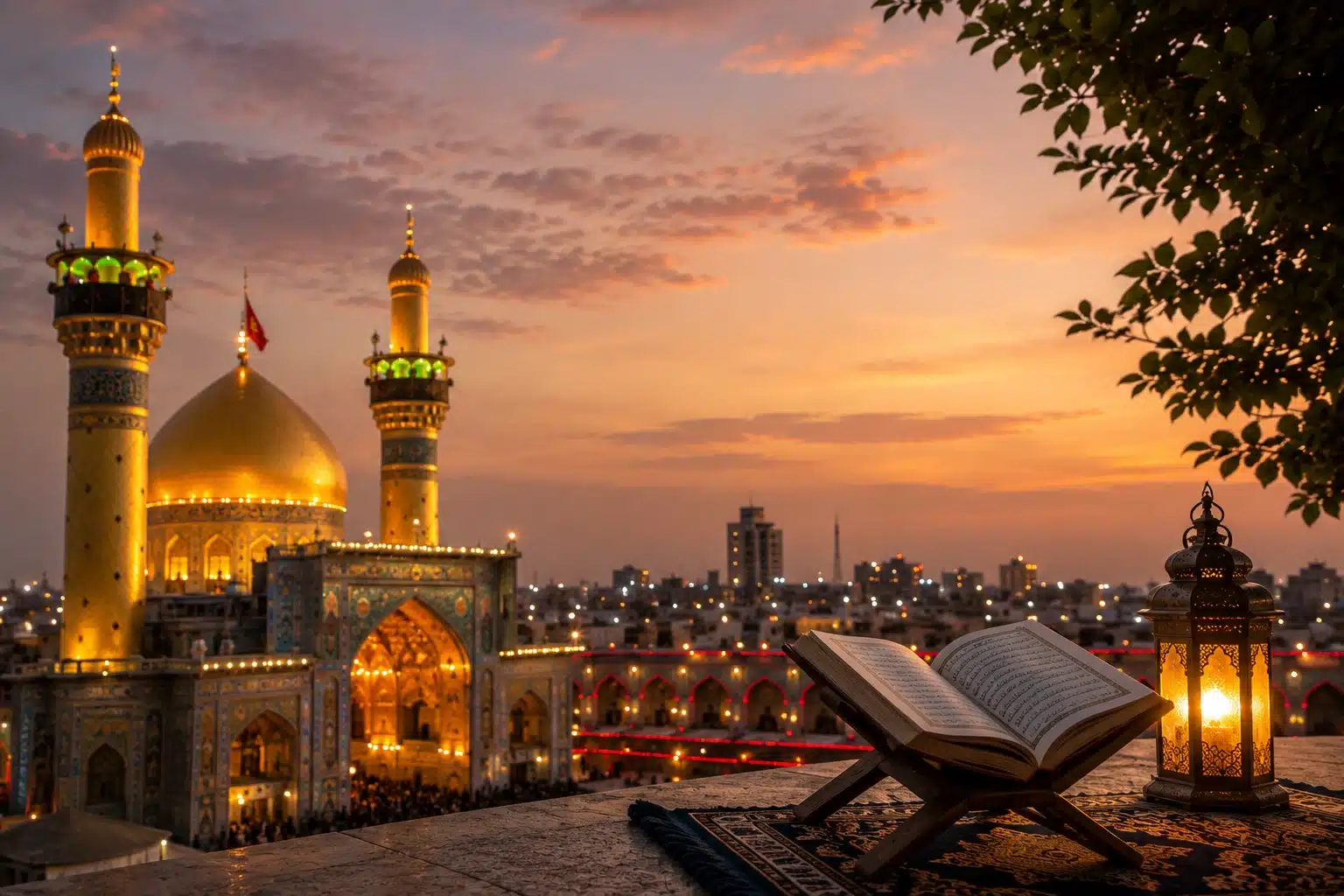
Iraq holds special significance as home to the shrines of Imam Ali in Najaf and Imam Hussain in Karbala, making it one of the most visited destinations for Shia pilgrims each year.
Learning Shia Islam the Right Way
Reading articles online is a good starting point, but real understanding comes from structured learning with qualified teachers. At Shia Quran Academy Online, students of all ages and backgrounds get the chance to study Quran recitation, Shia beliefs, and Islamic history with guided, one on one classes.
If this guide has sparked your interest in learning more, our academy offers a simple way to build that knowledge step by step, at your own pace, from anywhere in the world.
Frequently Asked Questions
What is Shia Islam in simple terms?
Shia Islam is a branch of Islam that believes Ali, the Prophet’s cousin and son in law, was the rightful successor after Muhammad’s death, based on divine appointment rather than community selection.
What is the main difference in Shia Islam vs Sunni Islam?
The core difference lies in leadership. Shia Muslims believe in the Imamate through Ali’s descendants, while Sunni Muslims believe leadership should be chosen by the community.
Where is Shia Islam most commonly practiced?
Shia Islam in Iran and Iraq represents the largest populations, with significant communities also found in Bahrain, Azerbaijan, Lebanon, and parts of South Asia.
How does the Shia prayer method differ from other Muslim groups?
The Shia prayer method includes minor differences, such as combining certain prayers and using a turbah during prostration, while following the same five daily prayer structure.
Where should someone start if they are new to Shia Islam?
For those exploring Shia Islam for beginners, starting with the five core beliefs and basic practices, ideally with guided instruction, offers the clearest path to understanding the faith.