
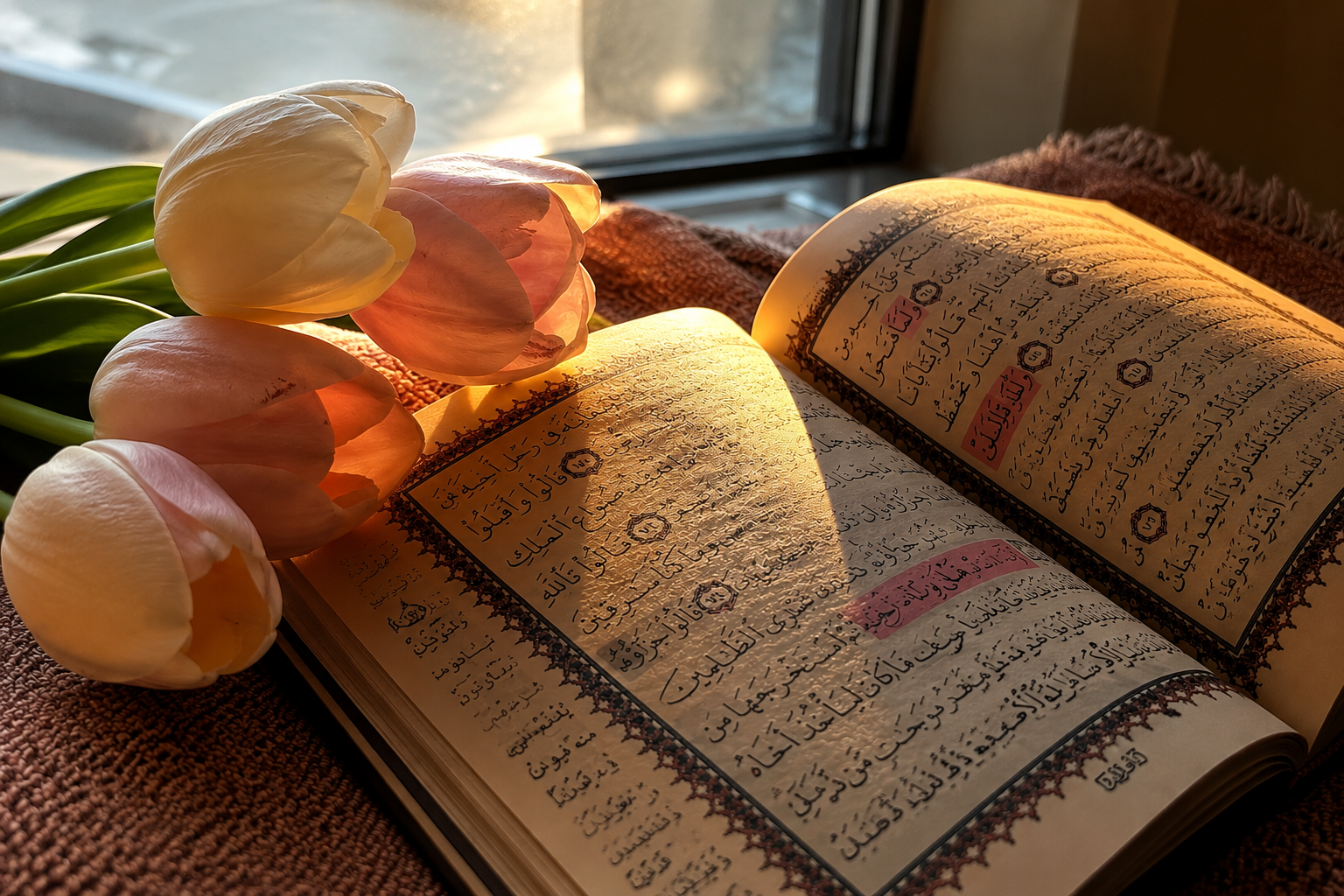
If you are searching to understand Islamic Shia beliefs, you are not alone. Millions of people around the world want a simple, honest explanation of what Shia Muslims believe and why. In short, Islamic Shia is a major branch of Islam that follows the Quran, the teachings of Prophet Muhammad (PBUH), and places special spiritual and leadership importance on his family, especially Imam Ali and his descendants. This belief system shapes daily worship, religious authority, and community life for Shia Muslims across the globe.
This guide breaks everything down in plain language, so whether you are a student, a researcher, or someone simply curious, you will walk away with a clear picture.
What Do Shias Believe Core Foundations Explained
Understanding what do shias believe starts with recognizing that Shia Islam shares the same basic pillars as the wider Muslim community. Belief in one God, the Quran as a holy book, and Prophet Muhammad (PBUH) as the final messenger remain central.
Where Shia Islam adds its own layer is in the concept of Imamate. Shia Muslims believe that leadership of the Muslim community after the Prophet’s passing was meant to stay within his family line, starting with Imam Ali.
A few key beliefs include:
- The Imams are seen as spiritually guided and sinless leaders
- Divine wisdom is believed to be passed down through this chosen family line
- Justice, knowledge, and closeness to the Prophet’s household hold deep religious value
This belief in Imamate is not just historical. It shapes prayer, mourning traditions, and even how religious questions are answered today.
Shia Islamic History And The Roots Of The Belief System
To really understand shia islamic thought, it helps to look at where it began. The split between Shia and Sunni Muslims traces back to a disagreement over leadership after the Prophet Muhammad’s death.
Shia Muslims believed Imam Ali, the Prophet’s cousin and son-in-law, was the rightful successor. This belief was rooted in respect for family lineage and spiritual closeness to the Prophet.
Over time, this historical event shaped an entire framework of theology, jurisprudence, and religious identity. It is not simply a political disagreement from centuries ago. It became a foundation for how millions of Muslims practice their faith today.
Key historical milestones include:
- The event of Ghadir Khumm, often cited as a defining moment
- The martyrdom of Imam Hussain at Karbala, a deeply emotional and spiritual turning point
- The continuation of Imamate through twelve Imams in the largest Shia branch
These events are not just stories. They are lived experiences, remembered every year through gatherings, sermons, and reflection.
Daily Practices And Rituals In Shia Islam
Daily life for a practicing Shia Muslim looks similar to other Muslims in many ways, with a few distinct additions.
Prayer, or Salah, remains a core obligation. Shia Muslims often combine some prayers, praying five times but in three physical sessions rather than five separate ones. This is based on jurisprudential interpretation rather than a difference in obligation.
Other common practices include:
- Fasting during the month of Ramadan
- Paying religious dues, including Khums, a specific form of charity
- Visiting shrines of Imams as a form of spiritual connection
- Observing Muharram, especially the tenth day known as Ashura, to remember Imam Hussain
These rituals are not performed out of habit alone. For most practicing families, they carry deep emotional and spiritual meaning passed down through generations.
Islamic Shia Traditions Around Mourning And Remembrance
One of the most recognizable aspects of Islamic Shia culture is the tradition of mourning, particularly during Muharram. This is not sadness for its own sake. It is a structured, meaningful way of honoring sacrifice and justice.
Majalis, or religious gatherings, are held where scholars narrate the events of Karbala.
These sessions often include:
- Recitation of elegies and historical accounts
- Reflection on themes of justice, patience, and sacrifice
- Community meals and charitable acts
This tradition also strengthens community bonds. Families and neighborhoods often organize these gatherings together, creating a strong sense of shared identity and support.
Learning Shia Islamic Beliefs The Right Way
For many people, especially converts, parents, or students, learning these teachings accurately matters more than ever. Misinformation spreads quickly online, and half-explained beliefs can create confusion rather than clarity.
This is where a structured, guided learning path makes a real difference. A shia online quran academy can offer:
- Verified Quran recitation with proper Tajweed
- Explanation of Shia jurisprudence from qualified teachers
- One-on-one sessions suited to beginners and children alike
- Flexible timing for students across different countries
Choosing the right platform is not about convenience alone. It is about learning from people who genuinely understand the depth and sensitivity of these teachings, rather than piecing information together from random sources.
If you are considering guided learning, take time to check a teacher’s background, teaching style, and student reviews. A short trial class can help you understand if the pace and explanation style suit your learning needs.
FAQs
What is the main difference in Islamic Shia belief compared to other Muslims?
The biggest difference lies in the belief that leadership after Prophet Muhammad should have stayed within his family, starting with Imam Ali.
What do shias believe about the Imams?
Shia Muslims believe the Imams were divinely guided, sinless leaders with deep spiritual and religious authority.
Why is Muharram important in shia islamic tradition?
Muharram commemorates the sacrifice of Imam Hussain at Karbala, symbolizing justice, patience, and standing against oppression.
Do Shia Muslims follow the Quran like other Muslims?
Yes, the Quran remains the central holy book, shared and respected equally across Shia and Sunni traditions.
How can beginners learn Shia teachings properly?
Enrolling with a shia online quran academy with qualified teachers is one of the most reliable ways to learn accurately and respectfully.