
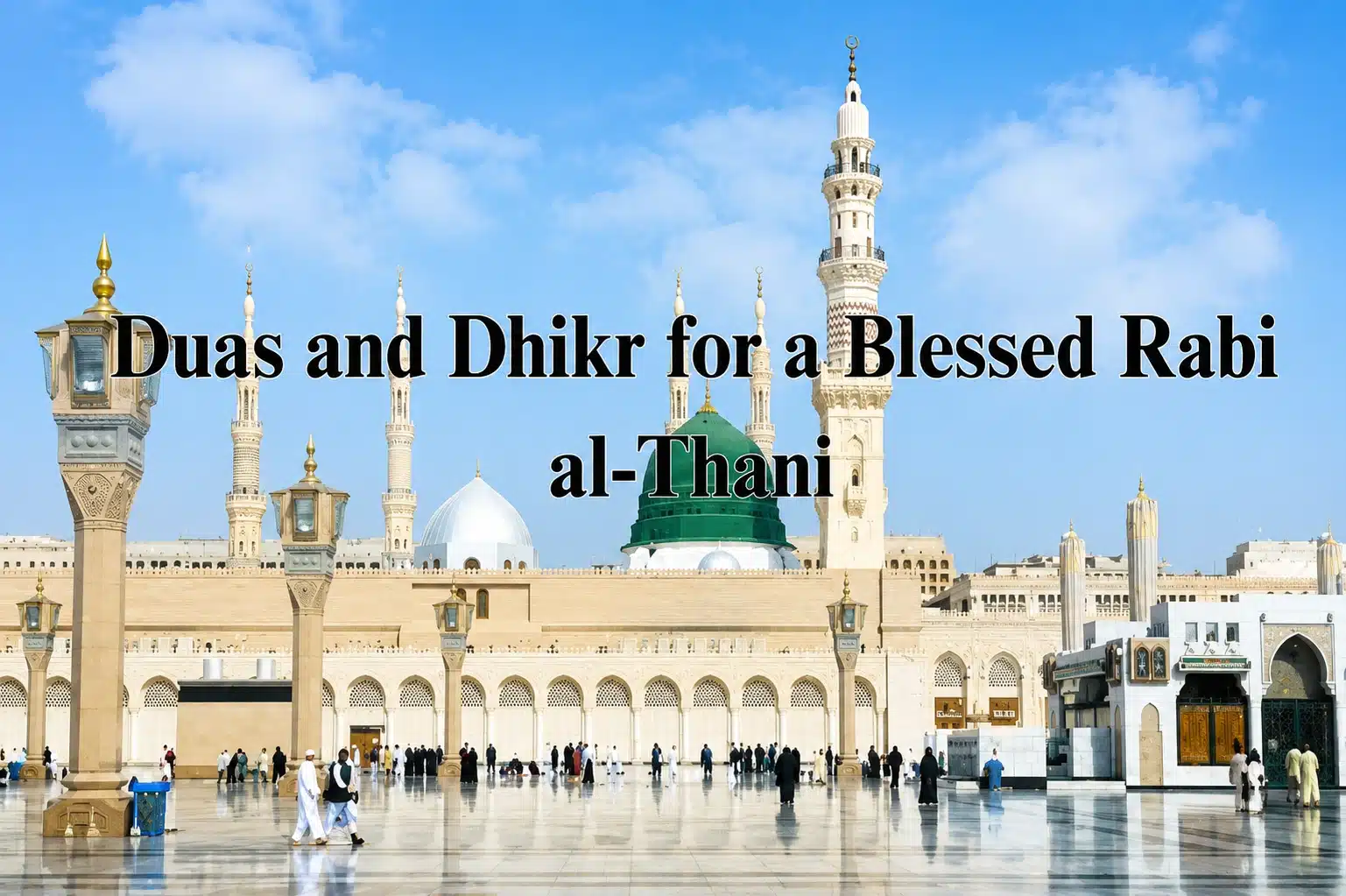
The fourth month of the Islamic calendar is Rabi al-thani. It is also called Rabi al-Aakhir, concluding the spring season. Like other Islamic months, Rabi Al-Thani reflects the tradition of naming months based on seasons, weather or occasions during the pre-Islamic era. The month arrives quietly to continue the spiritual momentum built during Rabi Al-Awwal. It also provides a perfect time to reserve the best Umrah Packages UK with Qiblatain to perform the sacred obligation in a serene, stress-free and pleasant atmosphere.
Rabi AL-Thani encourages reflection on a deeper level. As the literal meaning, “Spring” the month signifies growth, renewal and the importance of one’s life with faith and devotion. In a world full of distractions Rabi Al-Thani brings peace during uncertainty, thankfulness during ease, and hope during the hard times. It reminds us that growth isn’t just connected with special occasions but nurtured through consistent compassion throughout the year.
Set Up a Unified Daily Worship
Many Muslims wait for Ramadan or Hajj season to focus intensely on worship. Yet the beauty of Islam lies in consistent acts of dedication. For many Muslims exploring future pilgrimage like November Umrah packages, Qiblatain UK provides a unique opportunity to pause and begin the sacred trip with sincere intention and spiritual preparation in the month of renewal.
While visiting the sacred mosque, Masjid Al-Haram, nourishing your spiritual health and focus is important. To achieve this goal you can set a daily routine and stick to it strictly. This includes:
- Fasting beyond obligation: Ramadan is the month of fasting. But you can achieve the maximised rewards while practising other Sunnah practices such as restraining yourself from harming others with your words and hands, giving away charity and reciting the Quran with understanding.
- Pause and think: Ask yourself about how often you remember Allah? Do I make my Duas with sincerity? What habits can I improve
- Repent and reflect: Take some quiet time to repent, reflect and mend.
- Engage in Ibada: sit close to Kaaba and recite silent prayers, dhiker and your heartfelt Duas.
Duas to recite during the month of peace and prosperity
Dua secures your journey and what is more batter than the Quranic sources? Start your journey in the name of Allah reciting (2:201):
“O Lord, give us in this world good, and hereafter good, and protect
Us from the punishment of the Fire.”
Dua for forgiveness
“Astaghfirullaha wa atubu ilayhi…”
Saying O’ Allah I seek forgiveness and turn to Him is atonement.
Dua for modesty and submission
Dua is a powerful gesture to let go of control and embracing the divine rewards.
O Allah, I intend to perform Umrah, so make it easy for me and accept it from me.”
Dua for inner peace
Usually Muslim recite their personal supplications but you can recite this Dua too:
“Allahumma manihni al-hudu’ wa al-tuma’neena fi jami’ umuri”
Asking for Allah’ mercy, calmness, and tranquility in all affairs of daily life, enhancing your personal, spiritual and financial health and well-being.
Dua for success in this world and hereafter
Rabbana atina fiddunia hasanatan wa fil aakhirati hasanatan wa qina ‘azabannar
‘Our Lord, give us in this world [that which is] good and in the Hereafter [that which is] good and protect us from the punishment of the Fire.’
Dua for good character
Allahumma inni a’uzu-bika min munkaratil-akhlaq, wal-a’mal, wal-ahwa’
“O Allah! I seek refuge in You from undesirable manners, deeds, and aspirations.
The transforming power of Dhikr
Dhikr is far more than just the repetition of words. It is about a conscious effort to keep Allah present in your heart, thoughts and actions throughout the day. The Holy Quran encourage the believers to engage in remembrance because it brings serenity to the soul and heart, comfort your body and support your strength.
Some powerful Dhikr includes:
- SubhanAllah (Glory be to Allah)
- Alhamdulillah (All praise belongs to Allah)
- Allahu Akbar (Allah is the Greatest)
- La ilaha illallah (There is no deity worthy of worship except Allah)
- Astaghfirullah (I seek forgiveness from Allah)
You don’t need hours of free time to recite these Dhikr, only a few minutes spent with sincerity are enough. You can practice reciting them after each prayer, during commute, while walking, before sleeping, after waking up and during moments of stress and anxiety. Consistency matters more than quantity. Small acts of devotion often leave the deepest and lasting impact. If you want to learn more about Islamic teachings and recommended Duas, visit ShiaEdu Quran Center and explore its blogs to have more understanding about Islamic teachings and Duas.
Wrap Up
Rabi Al-Thani may not be marked by any historical or religious occasion but its quiet and nurturing nature carries deep and profound lessons. Every month come with a unique and fresh opportunity to bring one closer to the Almighty. Through sincere Duas, regular dhikr and following the teachings of the Prophet Muhammadﷺ, we can make the ordinary month into a bridge between the Creator and mankind.
Let Rabi AL-Thani become the month where each Dua and every Dhikr carries hope, peace, a fresh start drawing you closer to the Almighty!