History of Islam & Ahlulbayt (A.S.)
We are fully aware that unless you have a deep insight into the history of Islam and Ahlulbayt (A.S.), you will never be able to learn its teachings, let alone practice them in your daily life. When we are fully aware of Islamic history and its teachings taught by the family of the Prophet (PBUH), and what impact the advent of Islam has had on the world, and the true message that it wants to deliver, only then are we best able to follow and put them into our actions in our daily life.
Therefore, we have established the History of Islam and Ahlulbayt (A.S.) course in order to acquaint the students with Islamic History and the Ahlulbayt (A.S.) whom Allah Almighty sent to propagate His Message.
We have incorporated this course along with our Quranic Education and Basic Qaida courses. By learning more about the deep history of Islam and the Ahlulbayt (A.S.) with the Shia Quran Academy Online, you can gain insight into the spiritual roots of Islam through guided online courses regarding the wisdom and teachings of the Prophet Muhammad (SAWA) and his purified progeny.
Why Should Shia Muslims Learn the History of Islam & the Ahlulbayt (A.S.)?
Learn how the Ahlulbayt (A.S.) safeguarded and spread the true teachings of the Quran and Sunnah, preserving the essence of Islam for future generations.
Connect with the legacy of the Imams (A.S.) by learning about their endeavors, hardships, and lives as they pioneered the history of Islam.
Shia beliefs and practices are firmly rooted in the teachings of the Ahlulbayt (A.S.). Deepen your understanding of Shia practices, including clarity on Fiqh Jafari and historical perspectives.
Find out how to incorporate the examples of the Ahlulbayt (A.S.) into your daily life, using their wisdom as a practical guide for modern challenges.
Importance of the Study of Ahlulbayt (A.S.) and the History of Islam
Islamic studies and Ahlulbayt history significantly influence the beliefs, intellect, and ethical qualities of learners under the guidance of the Holy Quran. It improves comprehension of Islamic concepts, cultivates the spiritual dimension, and deepens the relationship with the Holy Book.
Understanding the Setting of the Quran
The Quran was revealed in different circumstances over a span of 23 years. Knowledge of Islamic history aids students in becoming acquainted with the context of many verses (Asbab al-Nuzul).
Learn How Our Imams Set the Example

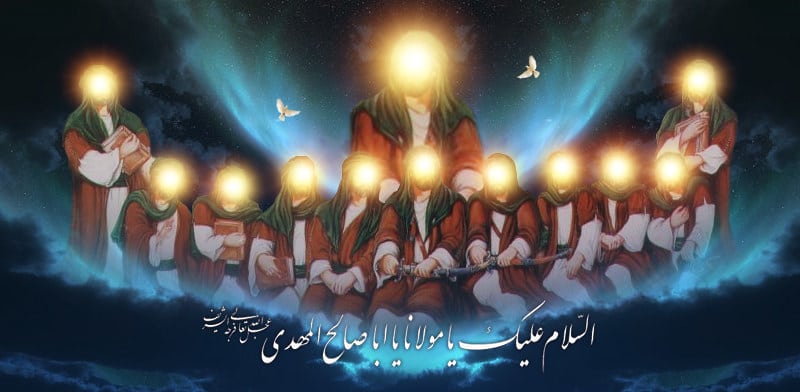
The Divine, Ultimate Awaited Saviour — Imam Al Mehdi (A.J.T.)
Learning How Our Imams Preserved Islam
Historical Distortion: Preservation of True Islamic Teachings
The Ahlulbayt (A.S.) taught and preserved Islam's core values with great passion. Appreciating their endeavors allows students to distinguish authentic teachings from historical distortions.
Increasing Affection towards the Prophet Muhammad (PBUH) and His Family
This Quranic command is best achieved through studying the life and legacy of the Prophet's family.
Acquiring Knowledge on Islamic Principles and Conduct
The history of the Ahlulbayt is abundant with valuable teachings of forbearance, equity, self-sacrifice, and altruism, which are vital for every student of the Quran.
Learning about the Difficulties of Early Islam
These studies help students understand the struggles to sustain the Quran and Islam, including the devotion of the Prophet (PBUH) and the sacrifice of Imam Hussain (A.S.) at Karbala.
Benefits of Learning This Course
For the Learner of the Quran:
Knowing the challenges and sacrifices made to preserve Islam connects students deeply with their faith, strengthening their devotion.
Many verses correspond with specific occurrences in the lives of the Prophet (PBUH) or the Ahlulbayt. Understanding Islamic history facilitates easier comprehension of these texts.
The Quran and history are inseparable. Together, they create a broad, practical understanding of Islam's application in the real world.
The piety, humility, and justice demonstrated by the Ahlulbayt (A.S.) inspire students to strive toward adopting these virtues.
Their history teaches us how to fight for justice, resist oppression, and maintain an Islamic stance during difficult periods.
As students appreciate the effort put into safeguarding the faith, they are encouraged to learn with purpose rather than just ticking off a checklist.
Looking into the history of Islam and Ahlulbayt (A.S.) is not merely an exercise in recalling events; it is a journey of acquiring knowledge, fortifying faith, and finding actionable insight for living.
The Importance of Namaz and the Legacy of Ahlulbayt (A.S.)
Namaz (Salah) is the foundation of a believer's faith — a direct connection between the servant and Almighty Allah.
It is not just a ritual but a powerful spiritual act that brings discipline, peace, and guidance. The Ahlulbayt (A.S.), the purified family of Prophet Muhammad (PBUH), emphasized the significance of Namaz throughout their lives, setting an eternal example for all Muslims. Namaz is a divine command that serves as the second pillar of Islam, instilling humility and reminding us of our true purpose: to worship Allah with sincerity and devotion.
Known for his deep faith, Imam Ali (A.S.) would become so absorbed in Namaz that he remained unaware of his surroundings. It is narrated that an arrow was removed from his body while he was in prayer, and he did not feel the pain due to his immense focus on Allah.
On the Day of Ashura, Imam Hussain (A.S.) and his companions performed Namaz despite the battlefield's chaos — a sign that no matter the circumstances, prayer must never be neglected.
Also known as Imam Sajjad (A.S.), he spent hours in prostration, earning the title "Zainul Aabideen." His devotion reminds us that Namaz should be performed with deep concentration, not rushed.
Namaz and Its Connection to Shia Islamic Teachings
For Shia Muslims, Namaz is more than just a daily obligation; it is an act of devotion closely linked to the teachings of Ahlulbayt (A.S.). Our Shia Quran classes online focus on teaching the correct way of offering Namaz according to the Imams (A.S.).
- Qunoot in every prayer: Raising hands in supplication before going into Ruku.
- Sujood on Turbah: Placing the forehead on a clay tablet, as per the Sunnah of Prophet Muhammad (PBUH).
- Tashahhud and Salaam: Following the exact words taught by Ahlulbayt (A.S.).
How to Improve Your Namaz?
To make Namaz more meaningful, follow these tips inspired by the Ahlulbayt (A.S.):
- Pray on time: Delaying without a valid reason reduces the prayer's impact.
- Understand the meanings: Learn what each verse and supplication means through our Shia Quran lessons.
- Eliminate distractions: Focus completely on Allah during Namaz.
- Pray with sincerity: Ahlulbayt (A.S.) emphasized that Namaz should be a heartfelt conversation with Allah.
Join a Trusted Shia Online Madrassa Today
Whether you are a beginner or want to refine your recitation, Shia Quran classes online provide a structured and authentic way to learn Namaz while improving your recitation with our Shia Quran with Tajweed course.
Enroll Today in Our Shia Online Quran CenterStudent Testimonials
History of Ahlulbayt (A.S.) Course
Being in the US, we always wanted our son Zulqarnain to know more than mere names and dates about the Ahlulbayt (A.S.). When he joined the History of Ahlulbayt course, we observed how emotionally and intellectually attached he became.
He appreciates the struggle, sacrifice, and leadership of Imam Ali (A.S.), Bibi Fatima (S.A.), and Hazrat Hussain (A.S.) in a manner that stirs his emotions, and now poses critical questions after majalis about what these events mean.
As parents navigating parenthood in a Western society, it's reassuring that he knows his heritage and is proud of it.
I grew up in the UK attending Islamic gatherings and majalis, but I never had a detailed history of Ahlulbayt (A.S.). This class gave me a way to put the events in order and understand the whys behind them.
I'm deeply inspired by the courage of Imam Hussain (A.S.), the forbearance of Lady Zainab (S.A.), and the wisdom of our Imams (A.S.) — not just as stories, but as examples of how we should live now.
Now, during Muharram and other gatherings, I know the proper history, and this course has enhanced my love and knowledge of the Ahlulbayt (A.S.).
As an Aussie, it can be hard to feel close to our faith living in Australia. Learning the life history of Ahlulbayt (A.S.) helped me understand where our aqaid comes from and the importance of their shahadat.
I only had vague stories before this course, but now I know the chronology and what each Imam (A.S.) faced. Reading about the patience, justice, and leadership of these figures has inspired me to elevate myself.
I'm more comfortable teaching my friends about events like Karbala, and proud of being a Shia Muslim. This course brought history to life for me!
Our Top Pages
Begin Your Journey Through
Islamic History & Ahlulbayt (A.S.)
Join hundreds of Shia families worldwide learning the Quran, Namaz, and the timeless legacy of the Ahlulbayt (A.S.) — with a free trial class and no commitment required.
Book Your Free Trial Class